Optimal Timing for Windows Installations
Choosing the optimal time for Windows installations can enhance performance and minimize disruptions. Factors such as system readiness, workload periods, and seasonal considerations influence the best timing for these updates or setups.
Scheduling installations during evenings or weekends reduces impact on daily operations and allows for uninterrupted setup.
Timing installations outside of busy seasons ensures minimal disruption and better resource availability.
Initiating installations during planned downtime or maintenance windows improves efficiency and reduces downtime.
Performing installations in seasons with milder weather can ease logistical challenges, especially for on-site setups.

Technicians preparing for Windows setup, ensuring proper configuration.

Calendar with marked dates for planned installations.

Technicians working on-site during a scheduled installation.

Ways to make Windows Installations work in tight or awkward layouts.

Popular materials for Windows Installations and why they hold up over time.

Simple add-ons that improve Windows Installations without blowing the budget.

High-end options that actually feel worth it for Windows Installations.

Finishes and colors that play nicely with Windows Installations.
Windows installations are critical for maintaining security, improving performance, and enabling new features. Proper timing ensures minimal operational impact and maximizes system stability. Data indicates that scheduling updates during low-usage periods can reduce downtime by up to 50 percent and improve user satisfaction.
Organizations often plan Windows installations around their operational schedules, balancing the need for timely updates with business continuity. Regularly scheduled updates help prevent security vulnerabilities and ensure systems are running the latest software versions, which is vital for optimal performance and security compliance.

Technician configuring a new Windows system.

User receives a Windows update prompt.
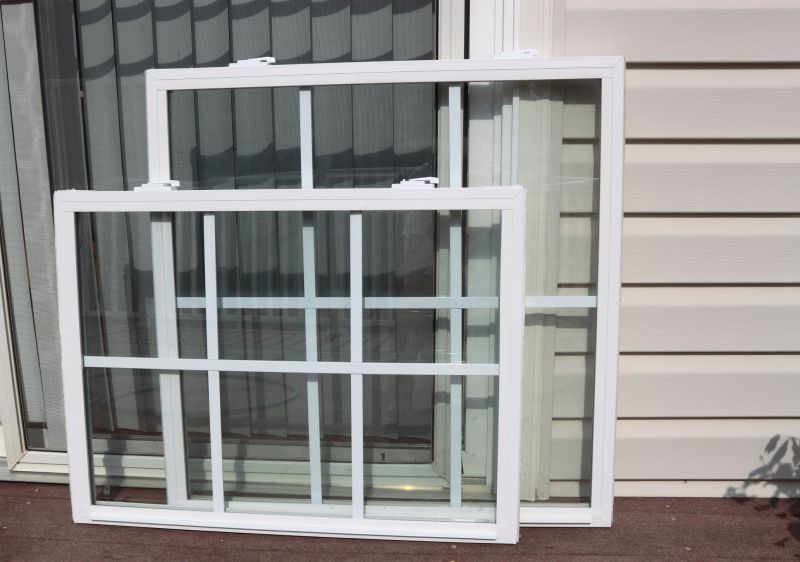
System testing after Windows setup.

Calendar marking planned Windows installations.

Little measurements that prevent headaches on Windows Installations day.

A 60-second routine that keeps Windows Installations looking new.

A frequent mistake in Windows Installations and how to dodge it.
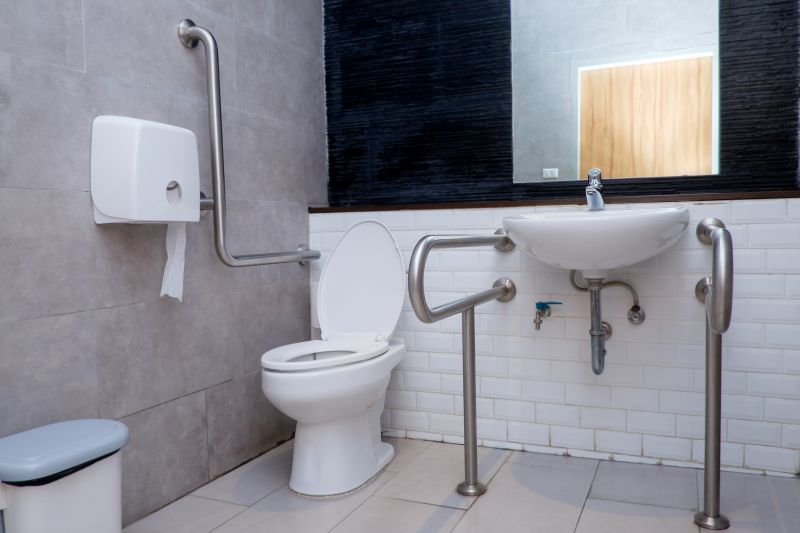
Small tweaks to make Windows Installations safer and easier to use.
| Timing Consideration | Recommended Approach |
|---|---|
| Business Downtime | Schedule during off-hours or weekends |
| Seasonal Weather | Plan in milder weather months |
| System Updates | Align with regular maintenance windows |
| Hardware Upgrades | Coordinate with hardware replacement schedules |
| Operational Load | Avoid peak operational periods |
| Security Patches | Apply promptly during low-traffic times |
| User Availability | Ensure user readiness and support availability |

Team reviewing schedule for Windows setup.

Backing up data prior to Windows installation.

IT support assisting after setup completion.

Lower-waste or water-saving choices for Windows Installations.
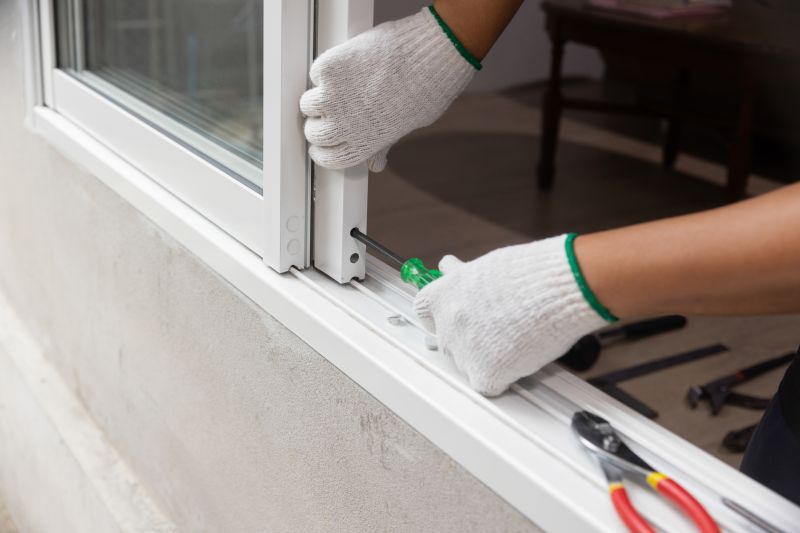
The short, realistic tool list for quality Windows Installations.

Rough timing from prep to clean-up for Windows Installations.

Quick checks and paperwork to keep after Windows Installations.

Examples that show the impact a good Windows Installations can make.
Timely Windows installations contribute to enhanced security, better system performance, and compatibility with new applications. Proper planning and scheduling are essential for minimizing operational disruptions and ensuring a smooth transition to updated systems.
Interested parties are encouraged to contact for more information or to schedule Windows installations at a convenient time. Properly timed updates support ongoing productivity and system integrity.